Parliament Book
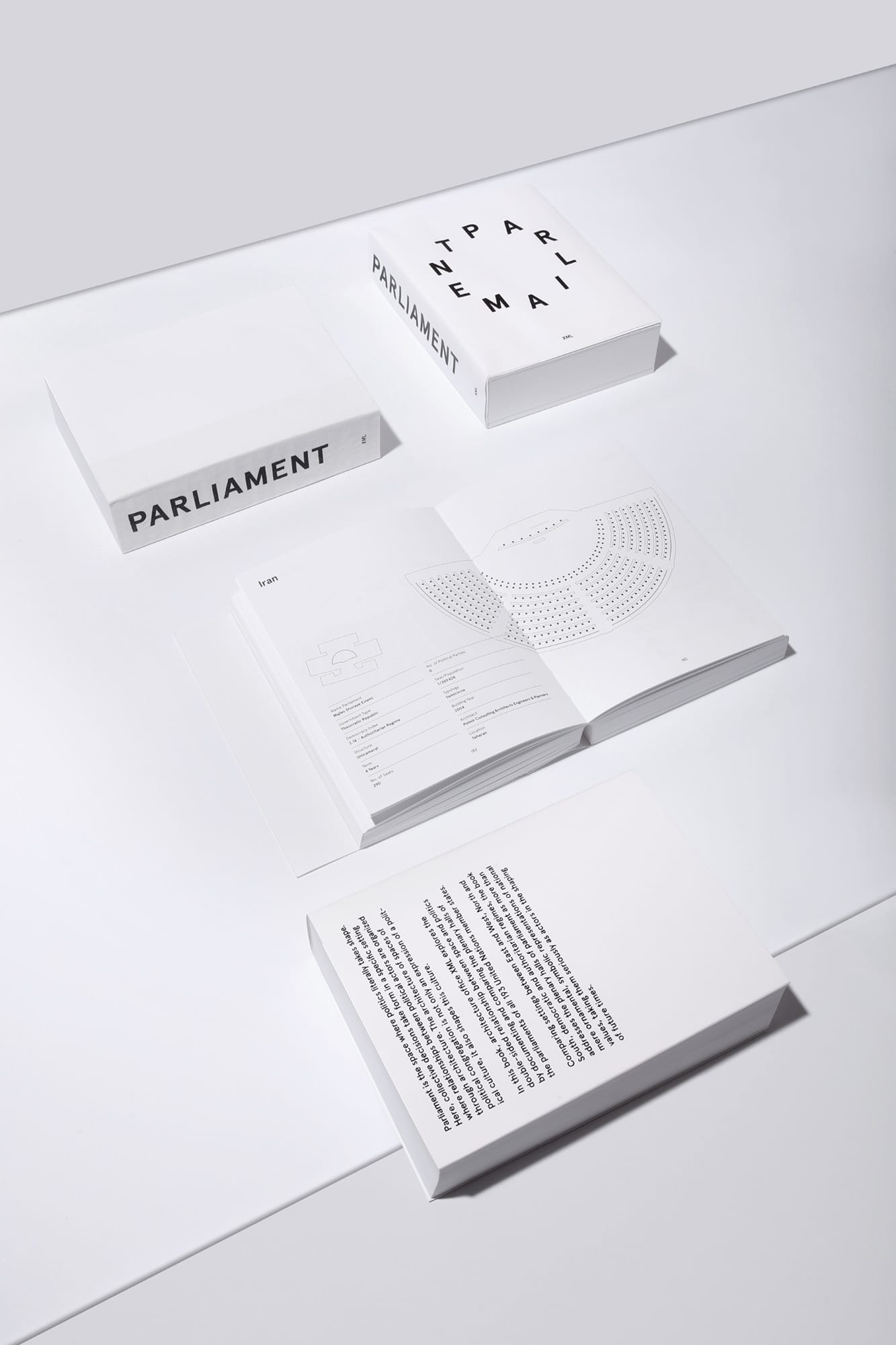
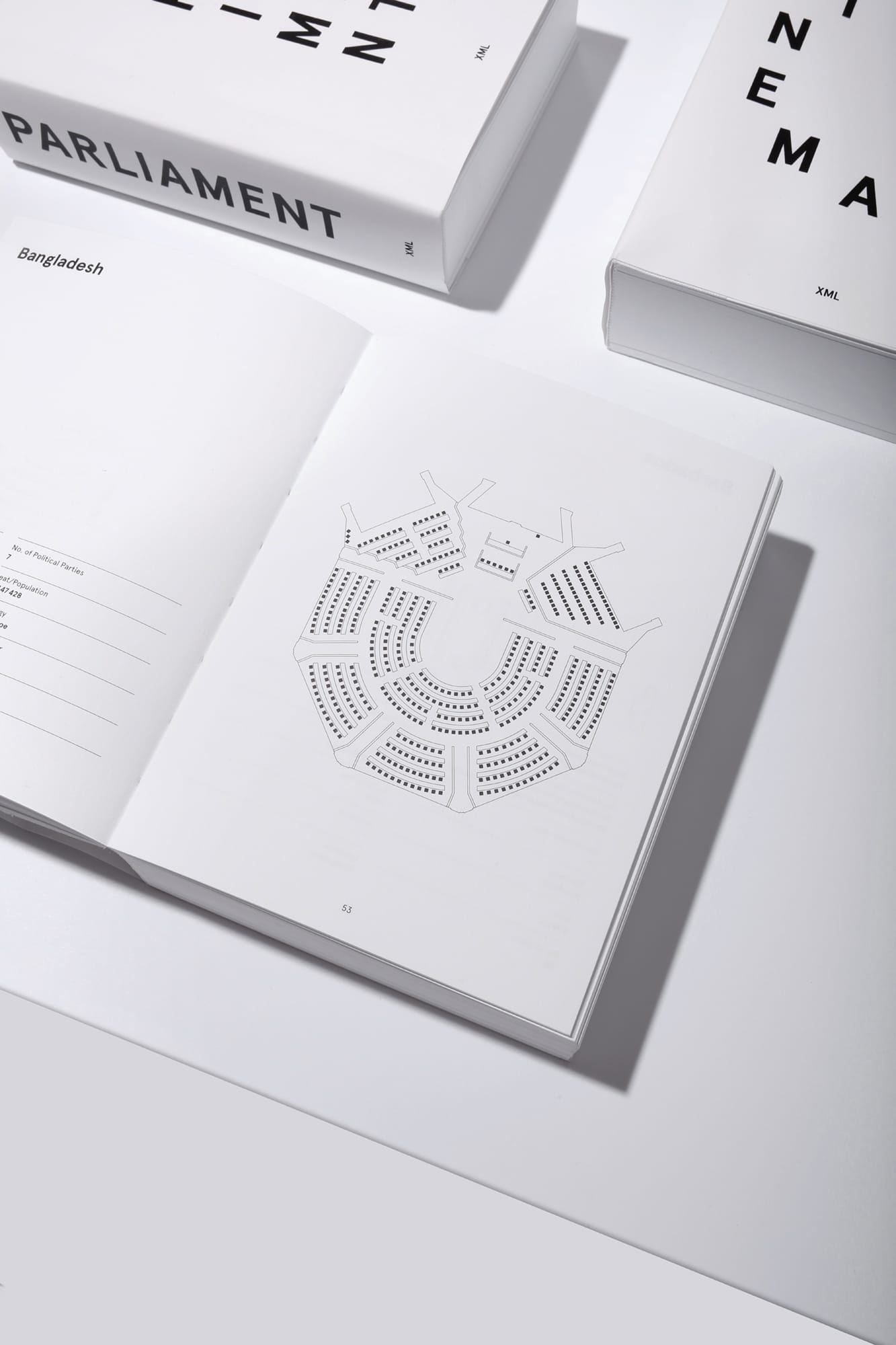
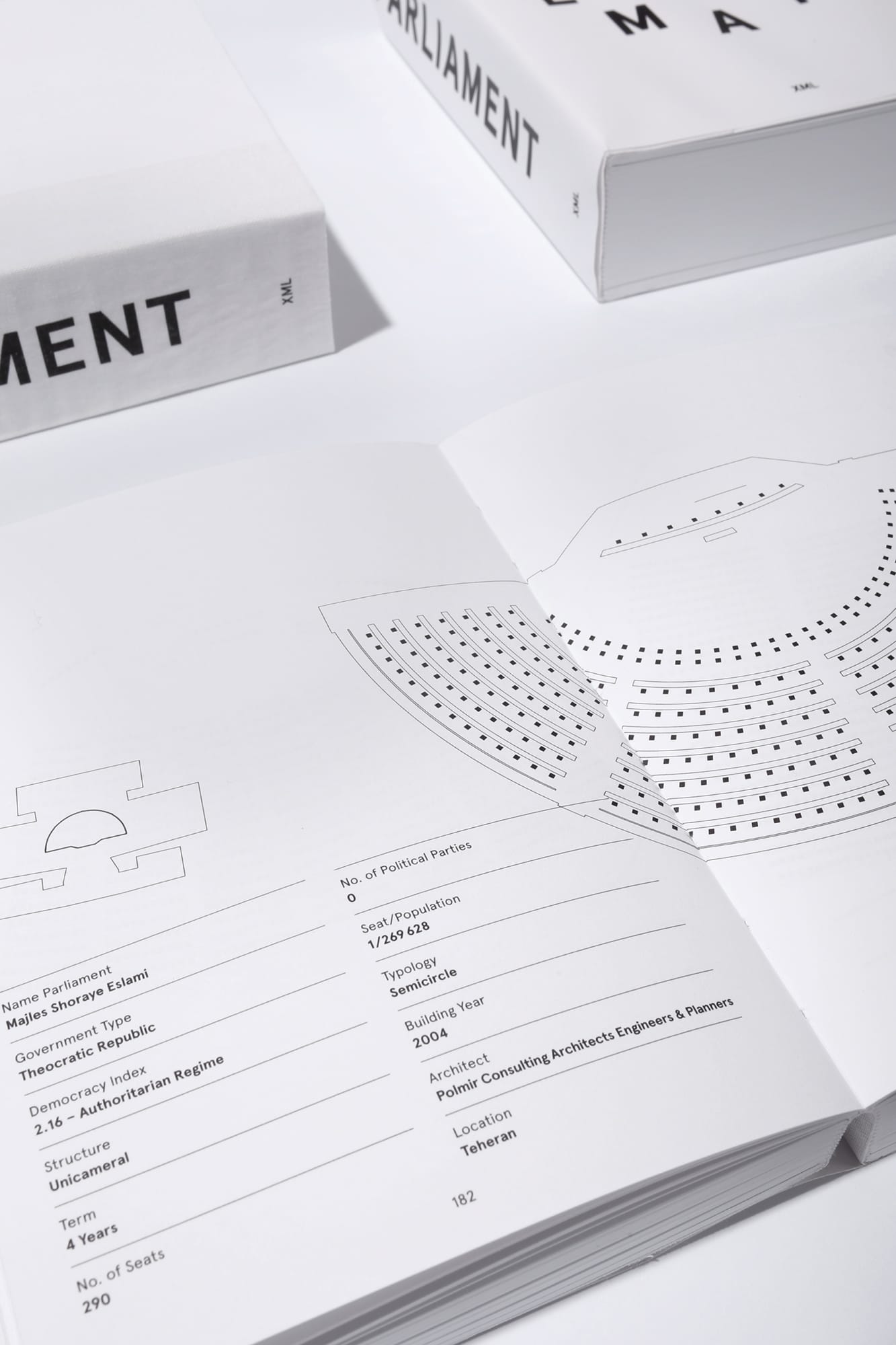
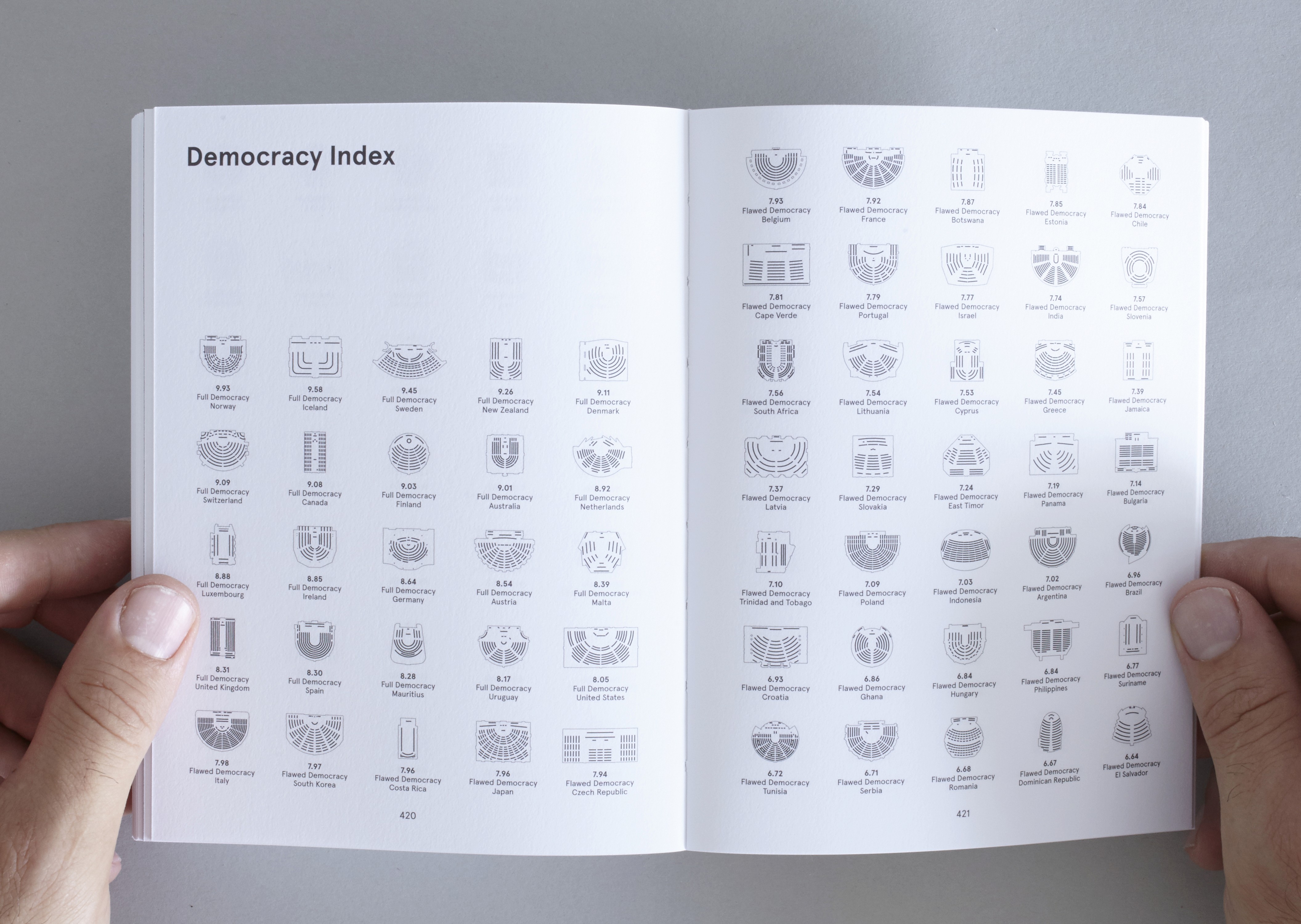
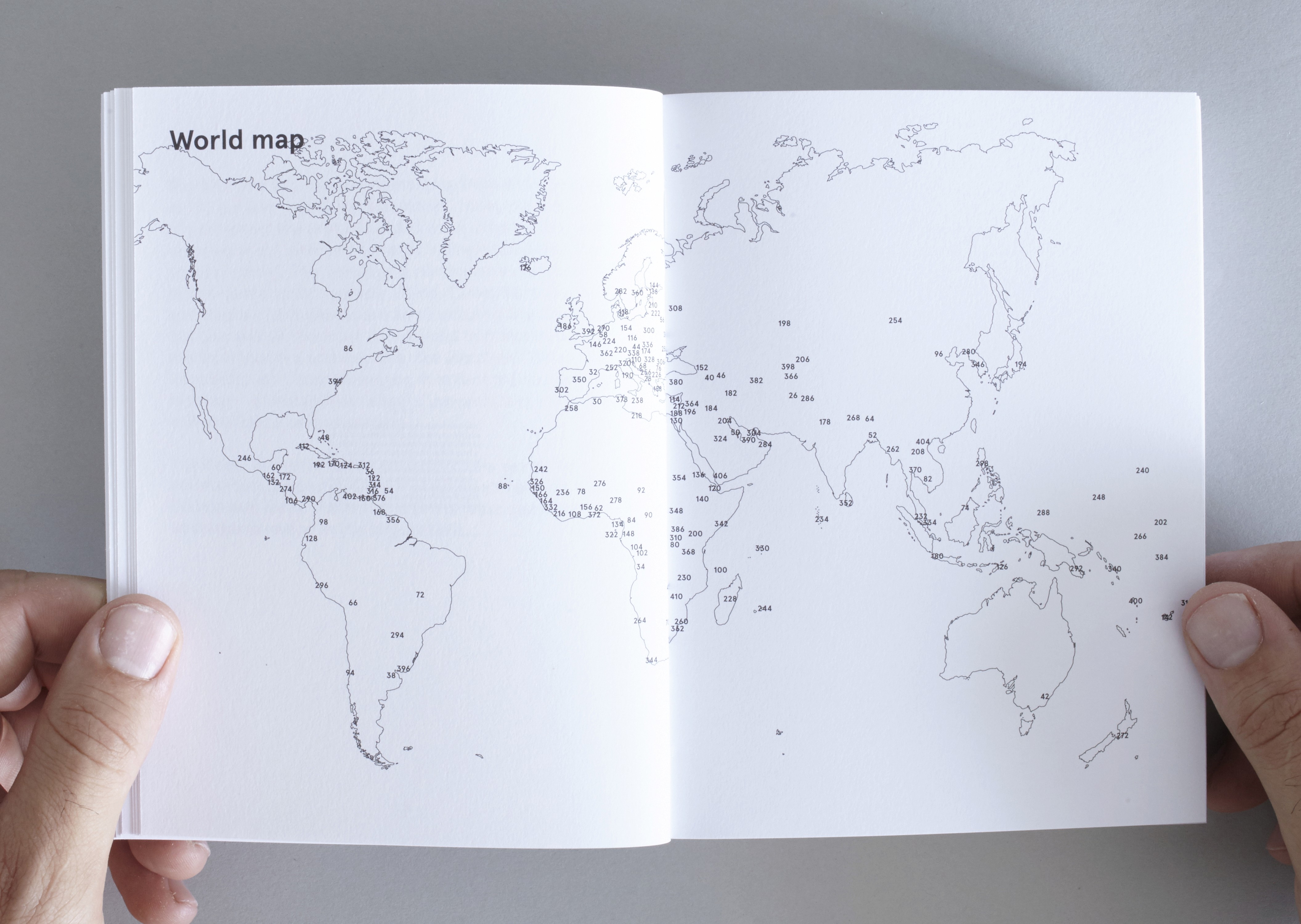
Parliament is the space where politics literally takes shape. Here, collective decisions take form in a specific setting where relationships between various political actors are organized through architecture. The architecture of spaces of political congregation is not only an abstract expression of a political culture – it participates in politics. Since 2010, XML has been engaged in an ongoing research project on spaces of political congregation. This work culminated in Parliament, a publication documenting the plenary halls of all 193 United Nations member states and comparing the spaces in which political decision-making takes place. The book is complemented by a growing digital archive of visited and surveyed parliamentary chambers. Parliament chambers are often understood as unique expressions of national identity, yet the research reveals a strikingly limited architectural repertoire. Despite vast differences in culture, geography and political systems, nearly all assemblies operate within five recurring spatial typologies: the semicircle, opposing benches, the horseshoe, the circle and the classroom. Each arrangement structures debate differently, organizing proximity, confrontation, hierarchy and consensus through space. The project positions architecture not as a passive backdrop to politics, but as an active participant in political culture. By documenting the spatial conditions of governance on a global scale, Parliament exposes the remarkable continuity of parliamentary design and raises questions about the persistent lack of innovation in one of society’s most influential building types. Graphic design Haller Brun Photography Haller Brun, XML